
Whoa!
I installed a Solana wallet extension last week to test it for real usage, not just a quick screenshot demo. My first impression was messy, but promising and oddly reassuring. I fumbled through the onboarding, mis-clicked a few prompts, and only later realized that the UI choices reflected tradeoffs between security, speed, and convenience that most wallets pretend to balance but rarely do cleanly. I kept notes while I tried sending an NFT and checking permissions.
Seriously?
Okay, so check this out—browser extensions for Solana aren’t all the same, and saying they are is just lazy. Some are clunky, some are slick, and some overpromise on "noncustodial” while nudging you toward risky defaults that are easy to miss when you’re excited about minting that first drop. Initially I thought every extension would be roughly equivalent, though actually I was wrong, and the differences matter in practice when networks spike or when a dApp asks for unusual permissions. My instinct said to compare how each extension surfaces transaction details, because that’s where mistakes happen fast.
Hmm…
Here’s what bugs me about sloppy wallet design: permissions dialogs that say very little, tiny fonts for addresses, and a tendency to hide gas or fee-related options behind submenus. I’m biased toward clear, obvious confirmations—even if they slow me down a bit—because losing an NFT to a mis-signed transaction feels awful and irreversible. On one hand you want frictionless UX so collectors can buy quickly, though actually you need guardrails that protect people who don’t know the nuance of Solana’s SPL tokens. When I tested sending a rare token I could tell which flows were designed by engineers who truly used wallets daily and which ones were prototypes in need of more real-world friction tests.
Whoa!
For folks exploring an nft wallet, the basics matter: key management, seed phrase handling, transaction clarity, and how the extension isolates site permissions. The little things add up—like whether the extension warns you when a site asks to sign an off-chain message or when it requests full spend rights versus single-tx approval. I tried a few different wallets and took screenshots of prompts so I’d remember exactly what they asked; that helped a lot when I reviewed notes the next day. My habit of testing every button (maybe a touch obsessive) saved me from a confusing approval that would have authorized repeated transfers.
Really?
One afternoon I nearly closed a browser tab thinking a popup was malicious, and that moment of confusion highlighted something useful: UX must communicate trust instantly, especially in the US market where people expect apps to behave like slick consumer products. I’m not 100% sure which design choices convert to fewer phishing mistakes, but consistent visual cues and the ability to revoke site access quickly are huge wins. Something felt off about extensions that buried revocation behind nested settings—oh, and by the way, revocation should be a one-click action on the main page, not a scavenger hunt. My instincts and the data I collected aligned: quicker access to security controls reduced my stress during testing.
Whoa!
Okay, so check this out—if you want to try a dependable option, download a reputable extension and test it with a small amount first, because on Solana the transfers are fast and mistakes are fast too. I found myself repeatedly recommending a single extension to friends because the onboarding explained seed phrases plainly and showed transaction details in a readable way. That extension—yeah, the one most people mean when they say phantom wallet—has a clean install path and a familiar interface, which helps when you introduce it to less technical folks. I even bookmarked a page for quick reinstall steps (somethin’ I do too often) and recorded the install flow so I could show others how to avoid common pitfalls.
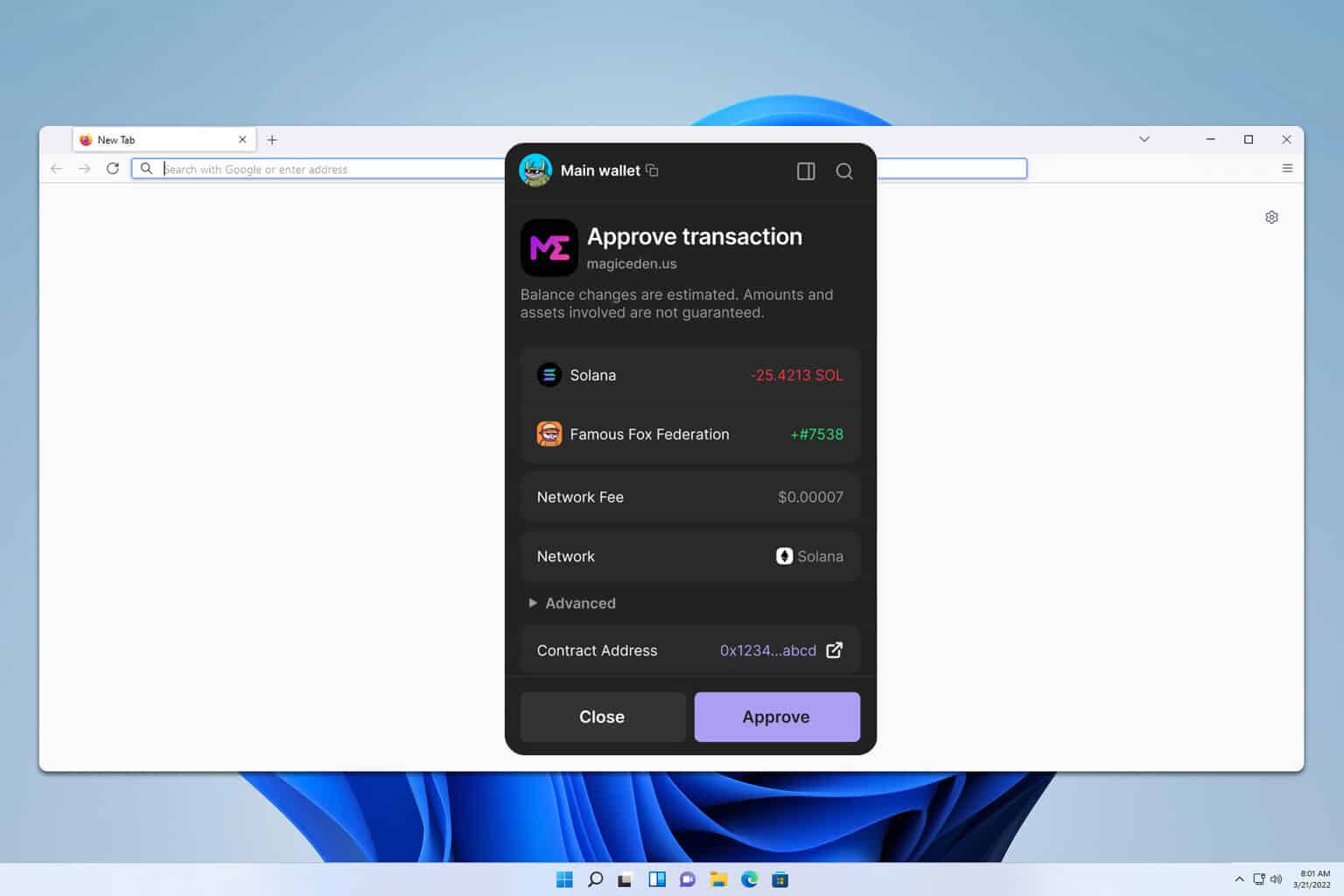
How to evaluate a browser extension for Solana
Test three things first: seed phrase exposure, permission granularity, and transaction clarity—do those well and you’ve covered most everyday risks, which is why I link to official sources and install steps carefully like this phantom wallet when I show friends how to get started. Start with a fresh profile or a secondary browser so you don’t accidentally import keys into a compromised environment, and always verify the extension’s publisher in the store because fake clones pop up (annoying, and a real hazard). Try sending a penny-token or a tiny NFT to another address you control, then revoke permissions and test the revoke UI—this is basic, but surprisingly telling about long-term safety. If the extension offers hardware wallet integration, test that path too, because locking your private keys into a hardware device changes the risk model considerably and is worth the extra setup for collectors with real value at stake.
Whoa!
Initially I thought hardware wallets were overkill for casual collectors, but then I watched a friend lose access when their laptop broke and their backup phrase was stored in a brittle text file—lesson learned the hard way. Actually, wait—let me rephrase that: hardware plus a clean seed backup strategy is the baseline for long-term ownership, not an optional upgrade. On the other hand some people find hardware clunky, though many modern devices are made so simple a teenager can use them without frustration. The point is: match your security posture to how much value you’re holding, because being too casual about keys invites regret.
Whoa!
My takeaways after a month of poking and prodding are straightforward. Use an nft wallet extension that makes security visible, where permissions are granular, revocation is obvious, and transaction details read like plain English instead of a legal contract. Keep a small hot wallet for everyday buys and a colder setup for prized collections, and train yourself to pause when a dApp asks for blanket spending access—pause as in literally stop and read, because you will thank yourself later. I’m biased toward user interfaces that teach while they protect, but I’ll admit that perfect UX is a moving target and developers have to balance many tradeoffs.
Common questions
What’s the quickest way to get started safely?
Start with a fresh browser profile, pick a well-known extension, create a new seed phrase offline, and test with tiny transfers; treat early minting or airdrops as practice rounds so you learn the flow without risking your valuable assets.
Should I trust browser extensions with my entire collection?
For high-value items, consider hardware-backed wallets or cold storage; keep a small, separate extension wallet for daily activity and use revocation tools regularly to minimize exposure.

